Where I Live

Her mother died. She became a ghost.

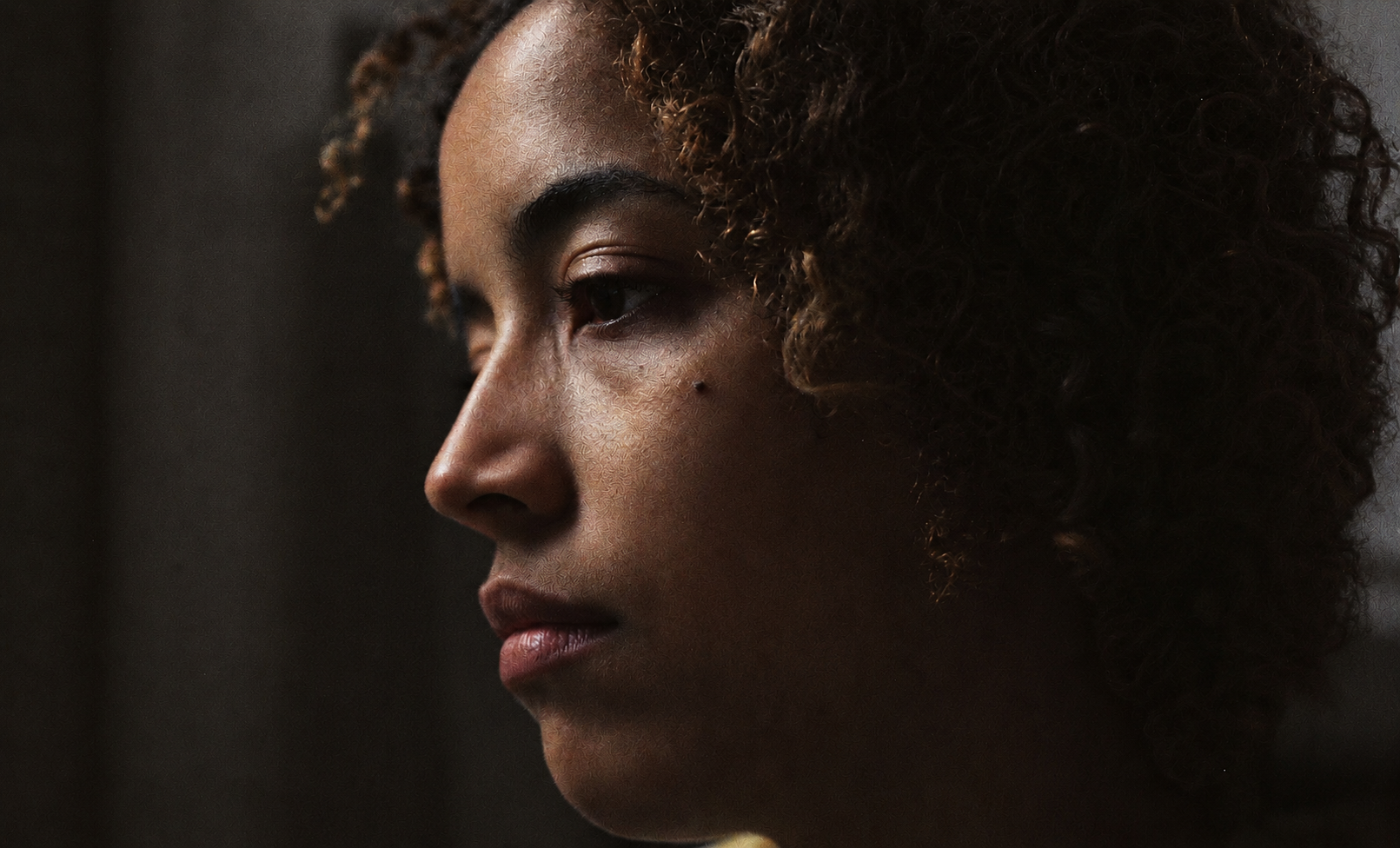
Lali is a young Afro-Mexican American woman living in the aftermath of loss. Eight years after her mother's death in a mass shooting, she feels adrift—from her body, her sense of home, and the future she once imagined.

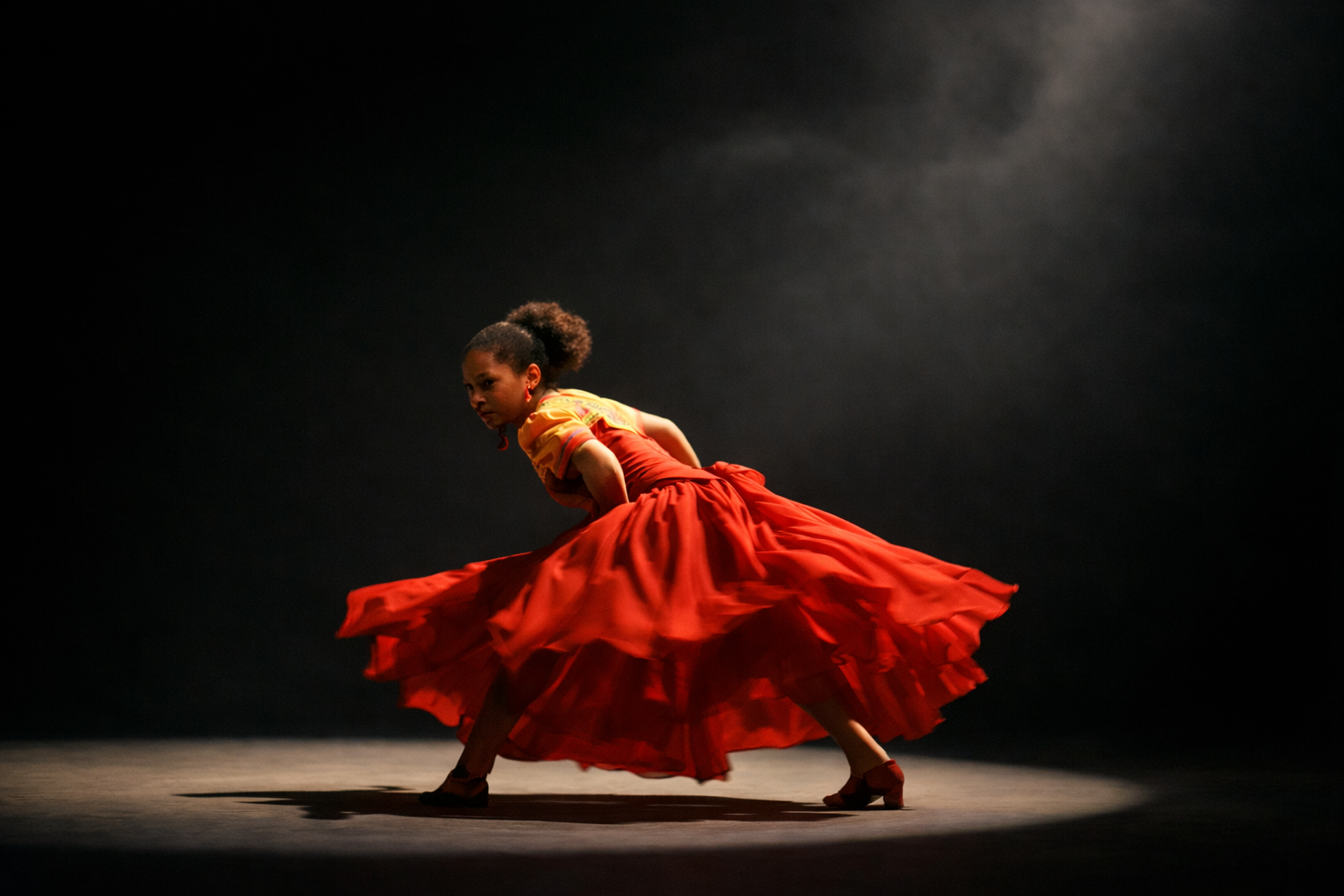
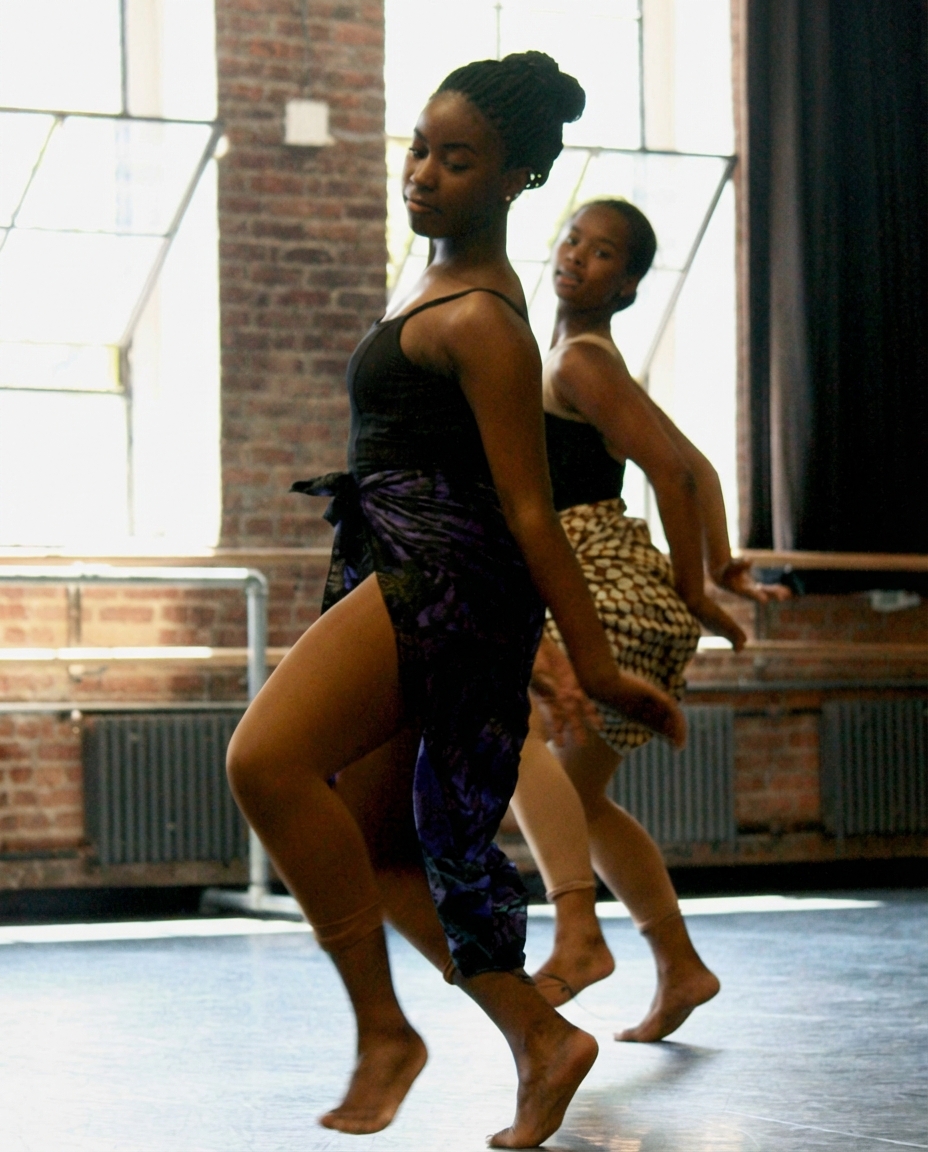
Before her mother's death, dance rooted in African and folkloric traditions connected Lali to her mother, her cultures, and to herself. After, movement goes quiet with the rise of her sense of internal displacement.

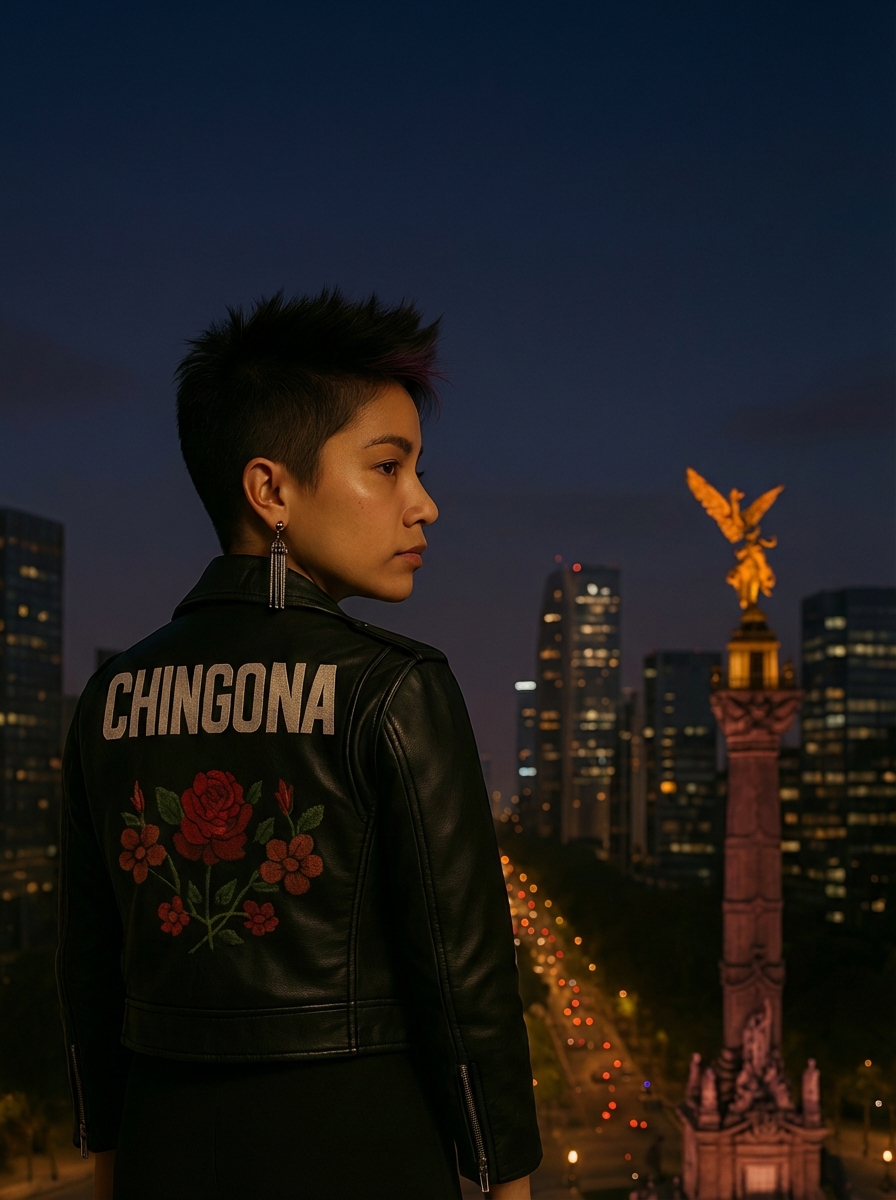
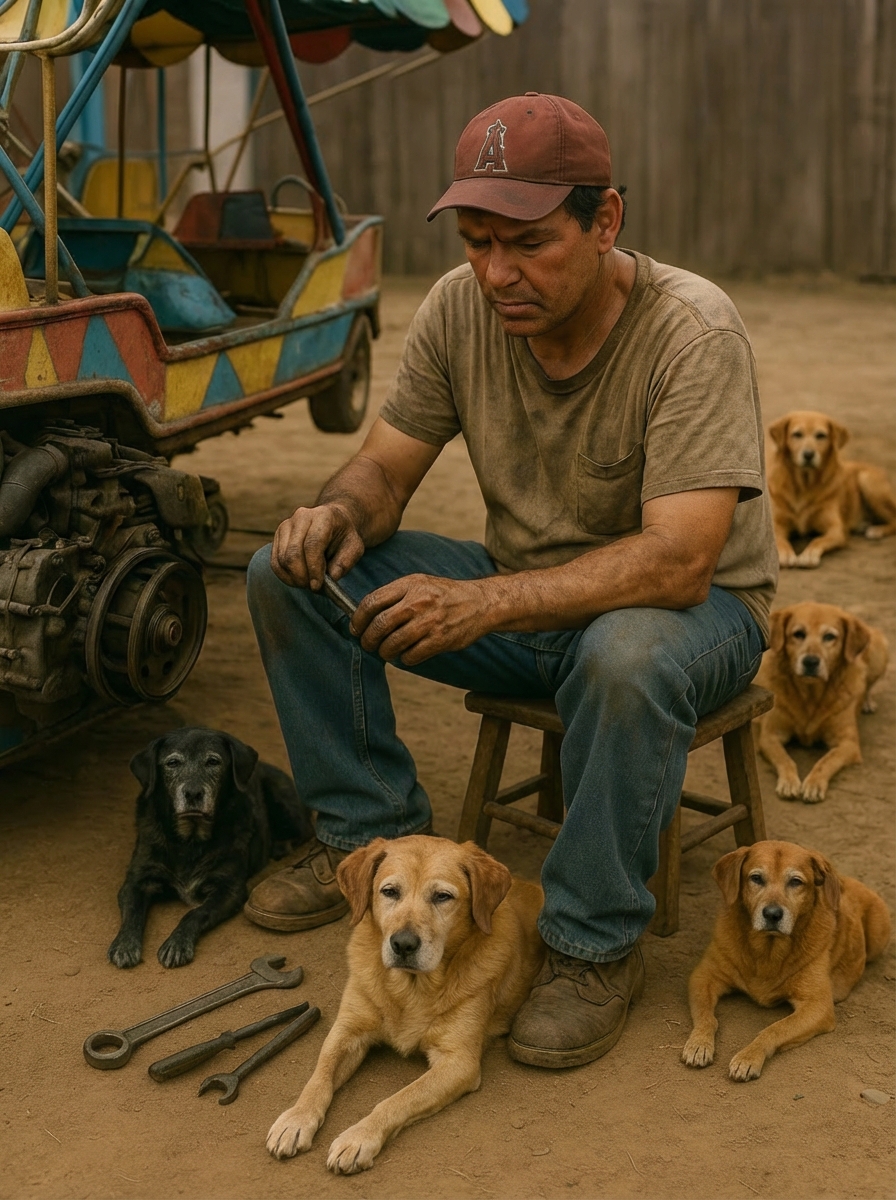
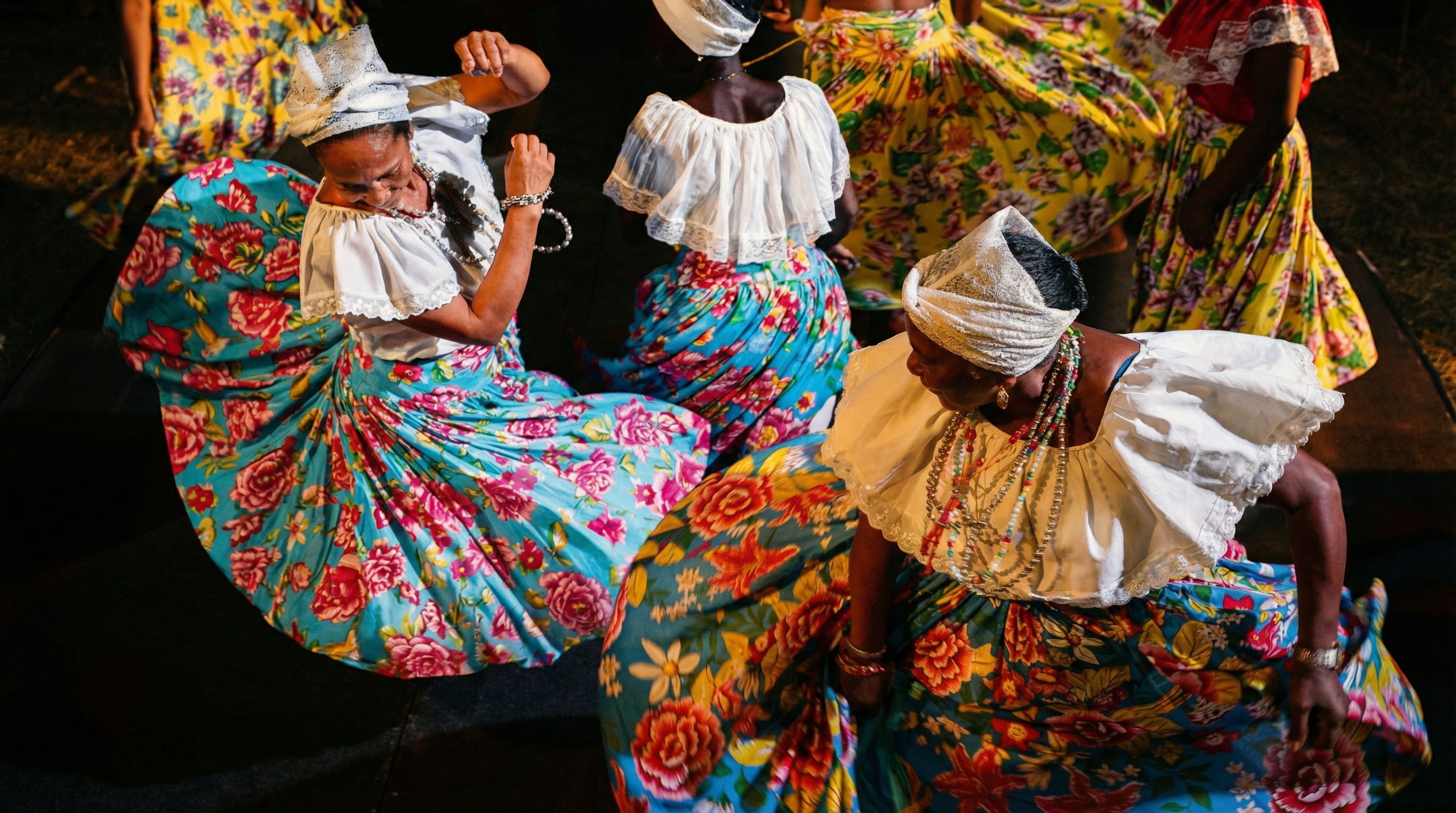
Defying her father's ultimatum, Lali embarks on a defiant pilgrimage across Mexico, tracing an incomplete itinerary her mother left behind. Her journey is shaped by the people she meets along the way: an Indigenous woman whose quiet strength offers grounding, a deported U.S. veteran who understands the loss of home and the afterlife of violence, and communities rooted in Indigenous and Afro-Mexican history.

The journey culminates in Yanga, the first free Black town in the Americas—a place where ancestry is lived rather than remembered, and inheritance is not lost but carried forward. As she uncovers this buried history of resistance, she discovers a path back home to herself—and the legacy of dance she thought she'd lost.

Where I Live is an intimate, BIPOC female-led drama about grief, displacement, and belonging—told with restraint, emotional precision, and an embodied sense of place.
Lali at 15
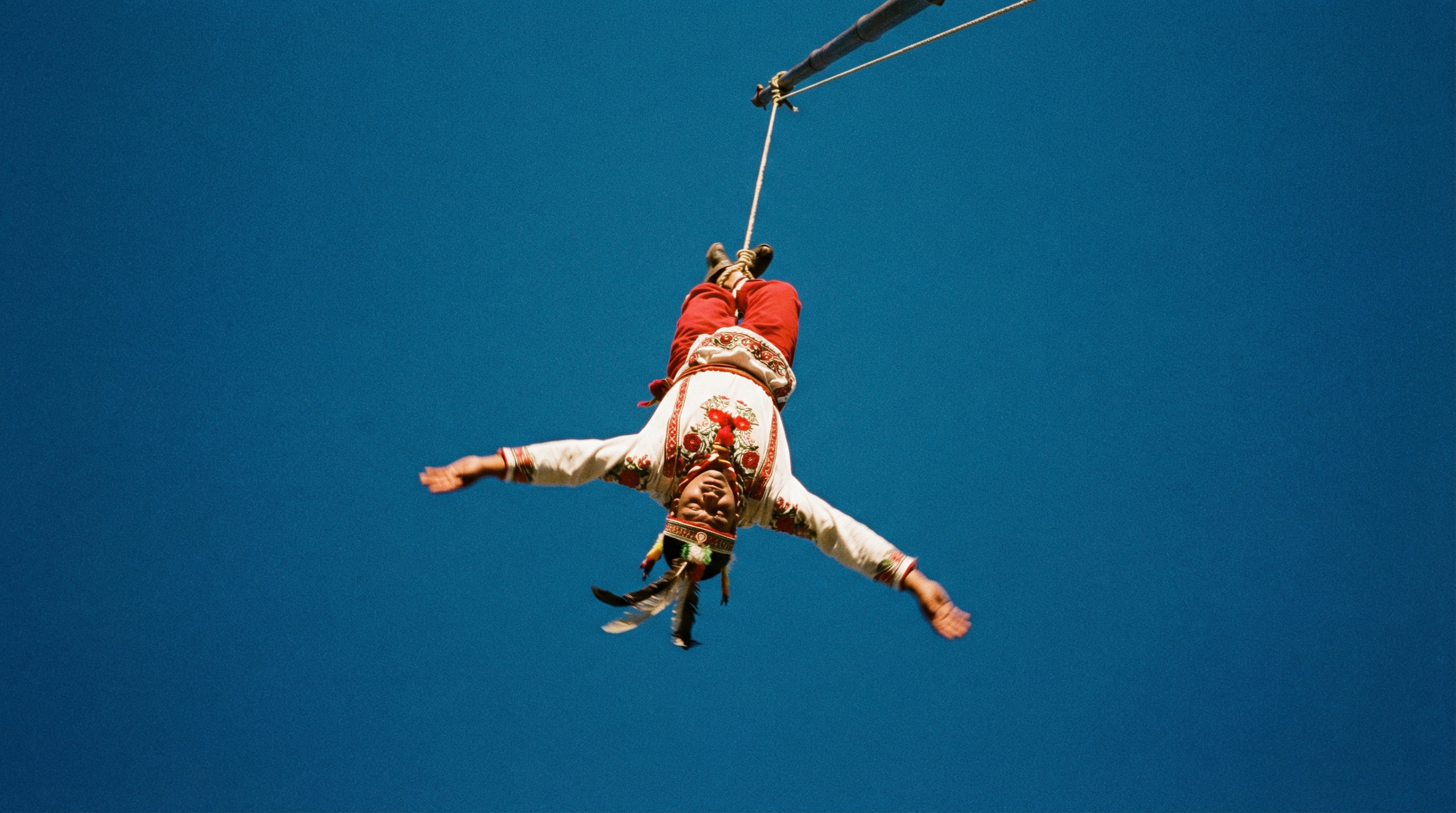
Voladores

Director's Statement

Where I Live is my first feature—a personal, character-driven film about grief, identity, and the ways we learn to live again after loss.

I grew up as the daughter of a dancer, where rhythm and story shaped how I understood the world, while summers in Mexico formed my sense of belonging. Now, as a mother to an Afro-Latina daughter and an aunt to two Afro-Mexican nieces, questions of inheritance, home, and identity live very close to me. This story isn't abstract to me; it lives in my family and in the work I do.

Before filmmaking, I spent more than two decades as a clinical psychologist bearing witness to trauma and transformation, and am a formally trained Meisner actor well-versed in finding truth in performance. Both deeply inform how I approach truth on screen, and my understanding of how grief lives in the body, how silence carries meaning, and how movement can express what language cannot.

I am drawn to intimate, visually poetic cinema that centers interior life and treats subtext and restraint as vital tools. In Where I Live, Los Angeles feels close and contained, while Mexico opens into a vibrant landscape of ritual and human connection—a world that exists beyond Lali, carried by human emotion rather than spectacle.

Where I Live is a love letter—to Mexico, to daughters, and to resilience.

Josiah Darwish

Characters

The Creative Team

Our creative team brings together authenticity, lived experience, and award-winning craft to hold this story with care and insight.

Josiah Darwish

Josiah Darwish

Writer / Director

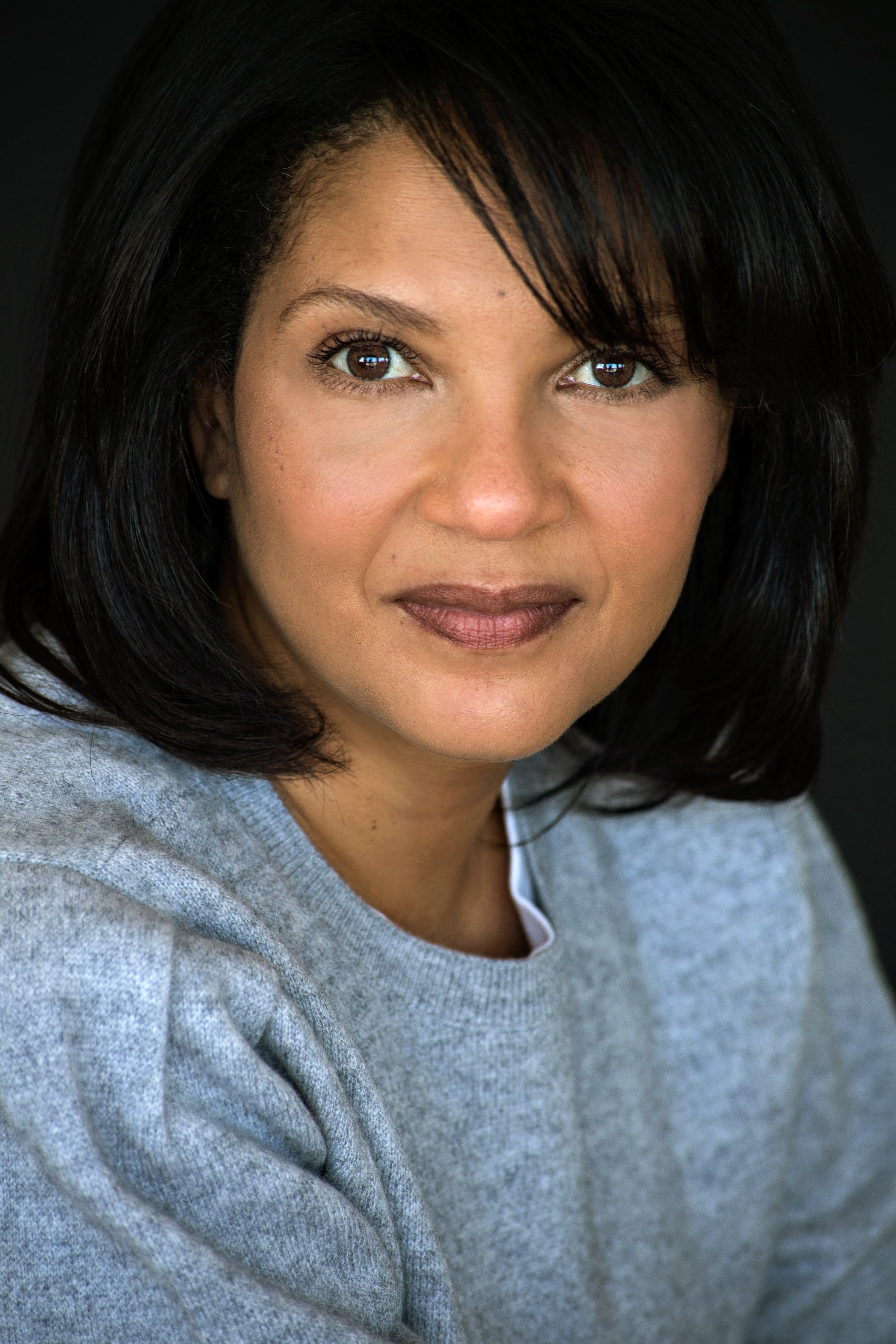
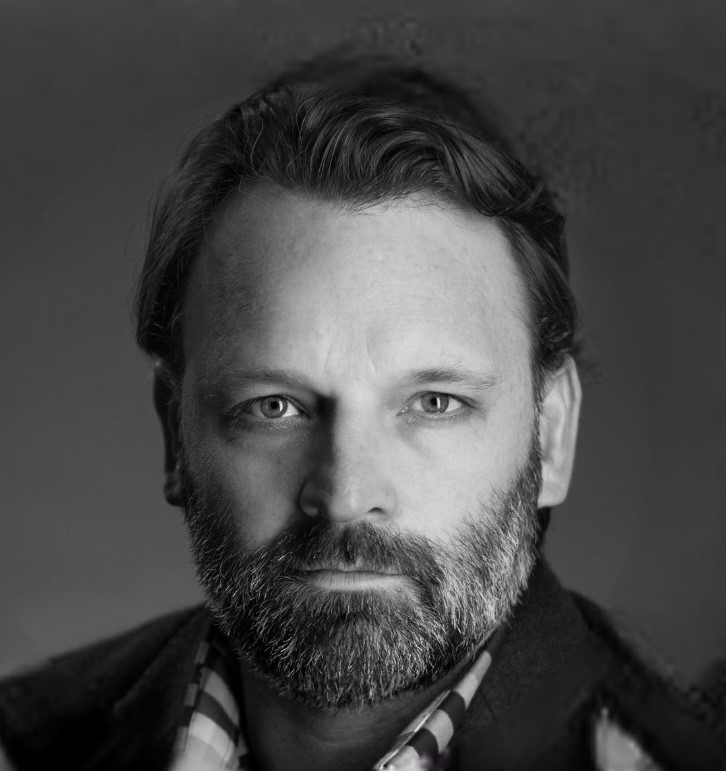
Josiah Darwish is a filmmaker, Meisner-trained actor, and clinical psychologist with more than twenty years of experience specializing in trauma. She wrote, produced, and starred in the award-winning short film My Name Is…, and acted, coached the actors, and served as a directorial collaborator on You'll Lose a Good Thing, featuring Jimmie Fails and Sean San José. Where I Live marks her feature directorial debut.

Matthew Boyd

Matthew Boyd

Director of Photography

Award-winning cinematographer with more than fourteen feature films to his credit and experience spanning Netflix, HBO Documentary Films, Showtime, and Orion Pictures. His recent work includes ZONA, Mine 9, and Hazard.

Sara Elizabeth Timmins

Sara Elizabeth Timmins

Consulting Producer

Veteran producer and founder of Life Out Loud Films, recognized for championing diverse stories and emerging voices. Her credits include Lake Effects, Coming Through the Rye, and field production on McMillions (HBO).

Yanga Ancestry

Why Now

We are living in a time shaped by overlapping currents of forced migration, cultural erasure, and generational displacement. Where I Live steps into these realities through a deeply personal lens.

The film explores the aftershocks of gun violence and the invisible wounds of deported veterans not through politics, but through human intimacy—asking how loss lives in the body, and how memory and ancestry can begin to restore a sense of belonging.

This story stands in service of expanding the cinematic landscape for the Afro-descendant diaspora. By directly engaging the profound gap in Indigenous representation on screen, Where I Live pushes back against this systemic invisibility and offers a quiet, necessary voice within a larger conversation.

Follow the Journey

Be the first to see behind-the-scenes moments, casting announcements, and the story behind the story. Join the inner circle as Where I Live comes to life.

Integration

Where I Live

Complete Your Donation

Your support funds representation, healing, and a story the world hasn't seen yet.